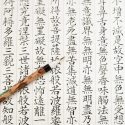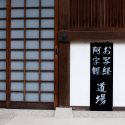
First, we recommend joining a sutra copying experience casually.
There are many temples where you can experience sutra copying. It’s a great way to spend some leisurely time in between sightseeing.
Cafes for Sutra Copying Besides Temples
Recently, it seems that there are “temple” cafes where you can also experience sutra copying. On your days off, you can easily try sutra copying at a nearby cafe.
Sutra Copying in Kyoto
We will introduce places for sutra copying in Kyoto, a city filled with tourist attractions. (Information as of January 2017)
Sanzenin Temple in Oohara, Kyoto
Sanzenin is a Tendai sect temple located in Ohara, Sakyo Ward, Kyoto. It is also called Sanzenin Monzeki. The mountain’s name is Gyo-zan, and its main deity is the Medicine Buddha (Yakushi Nyorai) with founder Saicho. It is located in Ohara, a place once known as a retreat for nobles and Buddhist practitioners. Along with Shorenin Temple and Myohoin Temple, it is one of the three head temples of the Tendai sect.
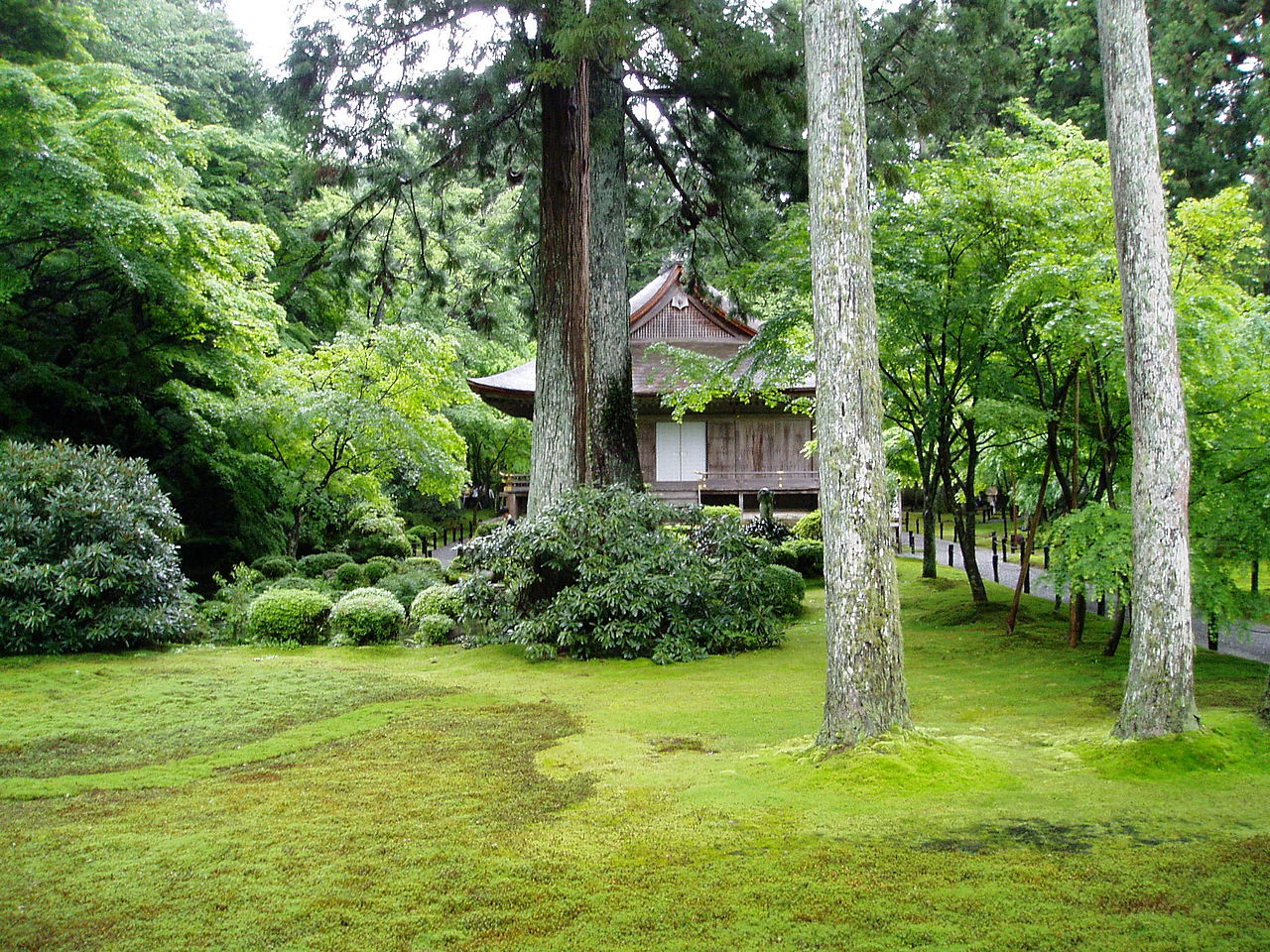
source:Wikipedia
- ■Address
- 540 Raigoin-cho, Ohara, Sakyo-ku, Kyoto City
- ■Opening Hours
- March to October, 9 AM to 5 PM (Gate closes at 5:30 PM);
- November, 8:30 AM to 5 PM (Gate closes at 5:30 PM);
- December to February, 9 AM to 4 PM (Gate closes at 4:30 PM)
- ■Admission Fee
- Adults 700 yen (600 yen for groups of 30 or more),
- Junior High School Students 400 yen (300 yen for groups of 30 or more),
- Elementary School Students 150 yen
- ■Sutra Copying Fee 1,000 yen
- Website
- http://www.sanzenin.or.jp/
Daikaku-ji Temple, Former Saga Imperial Palace
Daikaku-ji is a Shingon Buddhist temple located in Saga, Ukyo Ward, Kyoto. It is the head temple of the Shingon Risshu sect. The mountain name is Sagasan. The main deity is Mahavairocana, and the founder was Emperor Saga. It was once an imperial villa and later became a temple. It has a deep connection to Japanese political history, as it was where Emperor Uda conducted his cloistered rule.

source:Wikipedia
- ■Address
- 4 Saga-osawachou, Ukyo Ward, Kyoto, Kyoto Prefecture
- ■Opening Hours
- 9 AM to 5 PM (Reception closes at 4:30 PM)
- ■Admission Fee
- Adults: 500 yen Elementary and Middle School Students: 300 yen
- ■Sutra Copying Fee
- Sutra Copying Offering: 1,000 yen Gyati (a shorter sutra) Copying Offering: 500 yen Copying the Sutras of Buddha Offering: 1,000 yen (in addition to the admission fee)
- Website
- https://www.daikakuji.or.jp/
Tenryu-ji Temple
Tenryu-ji (天龍寺), located in Susukinobabacho, Saga Tenryu-ji, Ukyo Ward, Kyoto, Kyoto Prefecture, is the head temple of the Rinzai Zen Tenryu-ji branch. The mountain’s name is Reigisan (霊亀山). The temple’s full name is Reigisan Tenryu Shiseizen-ji (霊亀山天龍資聖禅寺). Its principal deity is Shakyamuni Buddha, and it was founded by Ashikaga Takauji. The founding monk was Muso Soseki. Tenryu-ji is considered the foremost of the Kyoto Gozan temples and holds a significant place as a Zen temple connected to the Ashikaga shogunate and Emperor Kammu. It is registered as a UNESCO World Heritage Site as a cultural asset of ancient Kyoto.

source:Wikipedia
- ■Address
- 68 Susukinobabacho, Tenryu-ji, Saga, Ukyo Ward, Kyoto City, Kyoto Prefecture
- ■Opening Hours
- From 8:30 AM to 5:30 PM (Gate closes at 5:30 PM)
- *From October 21st to March 20th, the gate closes at 5:00 PM.
- ■Admission Fee
-
Garden (Sogen Pond and Hyakka-en): High School Students and Above: 500 yen Elementary and Middle School Students: 300 yen Preschool Children: Free
Hall Visits (Daikodo, Shoin, and Tahoden): Additional 100 yen on the above fees (Note: Some hall visits may be suspended during special events.)
- ■Sutra Copying Fee
-
-
1,000 yen (Additional 600 yen for admission is required separately) *Sutra copying tools are not required.
-
- Website
- http://www.tenryuji.com/
Hojyu-ji Temple
Hojyu-ji (ほうじゅうじ) is a Buddhist temple of the Tendai sect located in Higashiyama Ward, Kyoto, Japan.

source:Wikipedia
- ■Address
- 655 Sanju-sangendo-mawarichou, Higashiyama Ward, Kyoto City, Kyoto Prefecture
- ■Opening Hours
- From 6:00 AM to 5:00 PM
- ■Admission Fee
- 500 yen (Includes an informational brochure) *For those interested, matcha tea and sweets can be provided separately for an additional 500 yen.
- ■Sutra Copying
- 1,500 yen (Includes both sutra copying and admission fees)
- Website
- http://www.jrtours.co.jp/kyoto_plan/enjoy/200806.html
Bishamon Hall – Shorin-ji Temple
Shorin-ji is a sub-temple of the To-ji Temple known for its blessings of victory and prosperity. The main deity is the “Bishamonten Standing Statue,” a wooden sculpture believed to be the work of the Heian period Buddhist sculptor Jochō, which was discovered inside the ceiling of To-ji Temple during the Edo period.
- ■Address
- 15-795 Honmachi, Higashiyama Ward, Kyoto City
- ■Admission Fee
-
- Adults: 800 yen (Includes an explanation of temple treasures)
- Students (Elementary, Middle, High School): 500 yen (Groups of 8 or more)
- ■Sutra Copying Fee
- 1,500 yen per person (Includes a 60-minute session with matcha tea and sweets)
- Website
- http://shourin-ji.org/
Kennin-ji Temple
Kennin-ji (建仁寺) is considered Kyoto’s oldest Zen temple. It is also renowned for owning numerous artworks and cultural treasures, including Tawaraya Sōtatsu’s “Wind and Thunder Gods” painting.

source:Wikipedia
- ■Address
- 5 Komatsu-cho, Higashiyama-ku, Kyoto City
- ■Admission Fee
- Adults 500 yen, Elementary and Middle School Students 500 yen
- ■Opening Hours
- 10:00 AM to 4:30 PM (March 1 to October 31), 10:00 AM to 4:00 PM (November 1 to February 28), Closed from December 28 to December 31
- ■Sutra Copying Fee
- 1,000 yen for a 45-minute session Website: Kennin-ji Temple
- Website
- http://www.kenninji.jp/index.php#/
Sutra Copying Experience in Nara
Here are some temples in Nara where you can experience sutra copying. Why not try sutra copying while visiting the World Heritage Sites in Nara?
Todai-ji Temple
Todai-ji Temple is a head temple of the Kegon sect and is famous for the “Great Buddha of Nara” (Rushanabutsu) as its principal deity.

source:Wikipedia
- ■Address
- 406-1 Zoshicho, Nara City, Nara Prefecture
- ■Admission Fee
- Adults and High School Students: 500 yen, Elementary School Students: 300 yen
- ■Sutra Copying Fee
- 1,500 yen per person
- ■Reservation
- Contact the Todai-ji Temple Sutra Copying Office at 0742-22-5511 with your preferred date and time.
- Website
- http://www.todaiji.or.jp/contents/sutra/
Yakushiji Temple
Yakushiji Temple is the head temple of the Hosso sect and has been a UNESCO World Heritage Site since 1998.

source:Wikipedia
- ■Address
- 457 Nishinokyocho, Nara, Nara Prefecture
- ■Admission Fees (Excluding when Genjo Sanzo-in is closed)
-
- Adults: 800 yen
- Middle and High School Students: 500 yen
- Elementary School Students: 200 yen
- ■Sutra Copying Reception Hours
-
- From 8:30 AM to 5:00 PM as needed
- ■Sutra Copying Fee
-
- 2,000 yen per person (for the Heart Sutra)
- Website
- http://www.nara-yakushiji.com/
Taima-dera
Taima-dera Temple, located in Katsuragi City, Nara Prefecture, is a temple dating back to the 7th century. It is known for its faith in the “Taima Mandala,” which depicts the Western Pure Land, and the legend of Princess Nakatsuhime associated with the mandala.

source:Wikipedia
- ■Address
- Taima 1263, Nakano-bo, Katsuragi City, Nara Prefecture
- ■Admission Fee (for entry to Nakano-bo)
- Adults: 500 yen Children: 250 yen
- ■Visiting Hours
- 9:00 AM to 5:00 PM
- ■Sutra Copying Reception Hours
- From 9:00 AM to 3:30 PM (ongoing)
- ■Sutra Copying Fee
- 2,000 yen per person (subsequent visits may have different fees)
- Website
- http://www.taimadera.org/index.html/
Sutra Copying Experience in Tokyo and Kamakura
We’re introducing some temples in Tokyo and “temple cafes” where you can relax and enjoy your time.
Naritasan Tokyo Betsuin Fukagawa Fudodo
This temple belongs to the Shingon sect, Chisan school, and is located just a 3-minute walk from Monzen-Nakacho Station on the Tozai and Oedo subway lines. It’s well-known as Fukagawa Fudodo.

source::Wikipedia
- ■Address
- 1-17 Tomioka, Koto-ku, Tokyo
- ■Admission Fee
- ■Sutra Copying Reception Hours
- Daily from 9 AM to 2 PM (ongoing)
- ■Sutra Copying Reception Hours
- Daily from 9 AM to 2 PM (ongoing)
- ■Sutra Copying Fee
- Starts from 2,000 yen per person
- Website
- http://fukagawafudou.gr.jp/
Yakushiji Tokyo Betsuin
Yakushiji Tokyo Betsuin is a branch temple of Nara’s Yakushiji Temple, located on a quiet hill in Ikedayama, just a few minutes’ walk from JR Gotanda Station.
- ■Address
- 5-15-17 Higashi-Gotanda
- ■Admission Fee
- Free
- ■Sutra Copying Reception Hours
- 9 AM to 5 PM (ongoing)
- ■Sutra Copying Fee
- 2,000 yen per person (Heart Sutra)
- Website
- http://www.yakushiji.or.jp/about/
Temple Cafe in Daikanyama – Shingyo-ji
Just a 2-minute walk from Daikanyama Station, this café is operated by the Jodo Shinshu Hongwanji-ha sect’s “Shingyo-ji” temple.
- ■Address
- 1-33-15 EN Daikanyama Building 1F, Ebisu Nishi, Shibuya-ku, Tokyo
- ■Business Hours
- 11:00 AM to 10:00 PM (Last order at 9:00 PM) Closed at the end of the year
- ■Sutra Copying Fee
- ¥1,500 per person
- Website
- http://tera-cafe.com/syakyo/index.html/
Kamakura Otela Cafe
“Kamakura Otela Cafe” is operated by Joreiji, a venerable Jodo Shinshu Buddhist temple with a rich history dating back to the Kamakura period, located in Yokosuka City.
- ■Address
- 2F Ooji Building, 2-12-35 Komachi, Kamakura, Kanagawa Prefecture
- ■Business Hours
- 11:00 AM to 7:00 PM Open every day (with occasional temporary closures)
- ■Sutra Copying Fee
- Petit Sutra Copying Set: ¥1,000 per person
- Website
- http://www.oteracafe.jp/oteramenu/index.html#petit/